


For nearly a decade, the idea of generating solar power flickered in the back of Fadi Said’s mind — something he knew he’d do someday. That day finally came late last year when he turned his Santa Clarita home into his own energy island.
“If the power goes out, I don’t have to worry,” he said. “I owe Edison less than $30 a month — but other than that, the house runs itself.”
That’s because Said has a solar battery system - Opens in new window, which stores the sunlight that hits his rooftop solar panels and saves that energy in a battery for later. The paired system comes in handy for Said in more ways than one.
First, cost savings. Before installing solar, Said’s monthly electric bills often reached $500. He chose a financing option instead of purchasing the system upfront. Now, instead of paying a fluctuating utility bill, Said pays a predictable monthly amount for his system — one that’s lower than what he expects his electric bill would have been over time.
“When I ran the numbers, it was a no-brainer,” he said. The arrangement also covers maintenance and replacements, making financial planning easier.
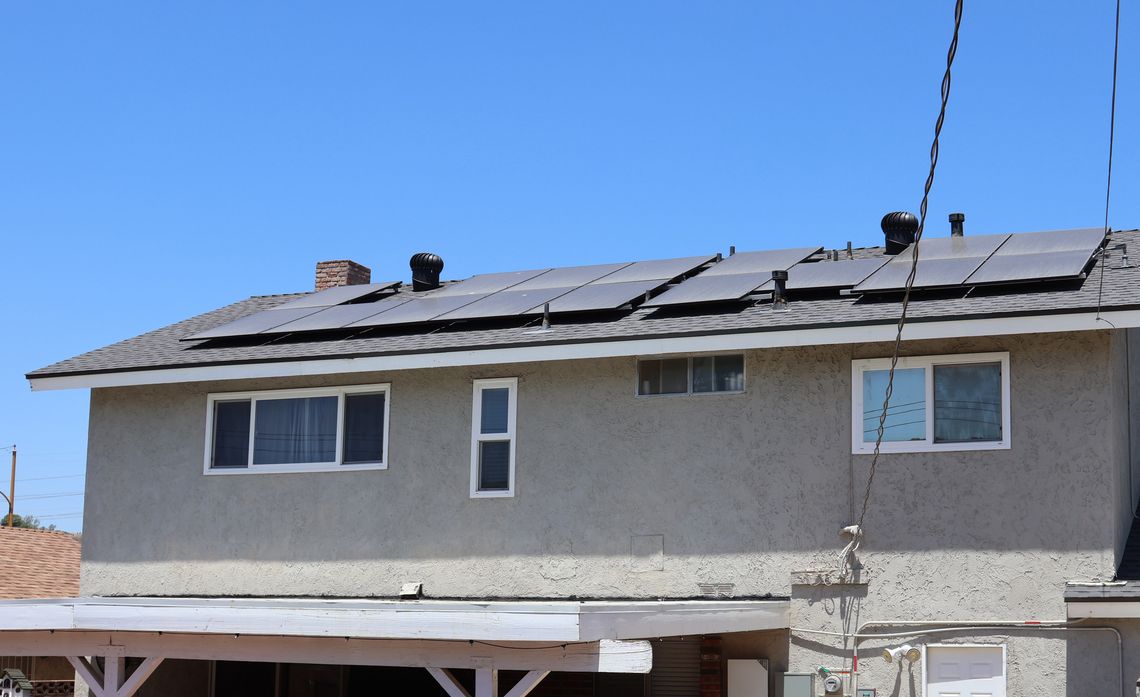
Rooftop solar panels help Fadi Said capture energy from the sun, reducing the amount of electricity his household draws from the electric grid.
Just as meaningful, though, is what the system gives Said and his family during power outages — especially important in Santa Clarita, a high fire risk area where residents are more likely to experience a Public Safety Power Shutoff - Opens in new window (PSPS).
Since installing his system in late 2025, Said has already dodged two outages — at least, that he knows of.
“The first time, I didn’t even notice an outage until my neighbor told me. The second time, the lights went out for half a second, and then everything came right back on,” he said. “Everybody else had no power — except me.”
Solar battery systems can continue supplying electricity even when there’s no power from the electric grid, a process known as “islanding.”
“You’re getting multiple benefits from a single self-sustaining system,” said Traeger Cotten, an SCE senior project manager in Customer Solutions. “It can help offset energy costs during normal conditions, and it can also provide backup power if the grid is down.”
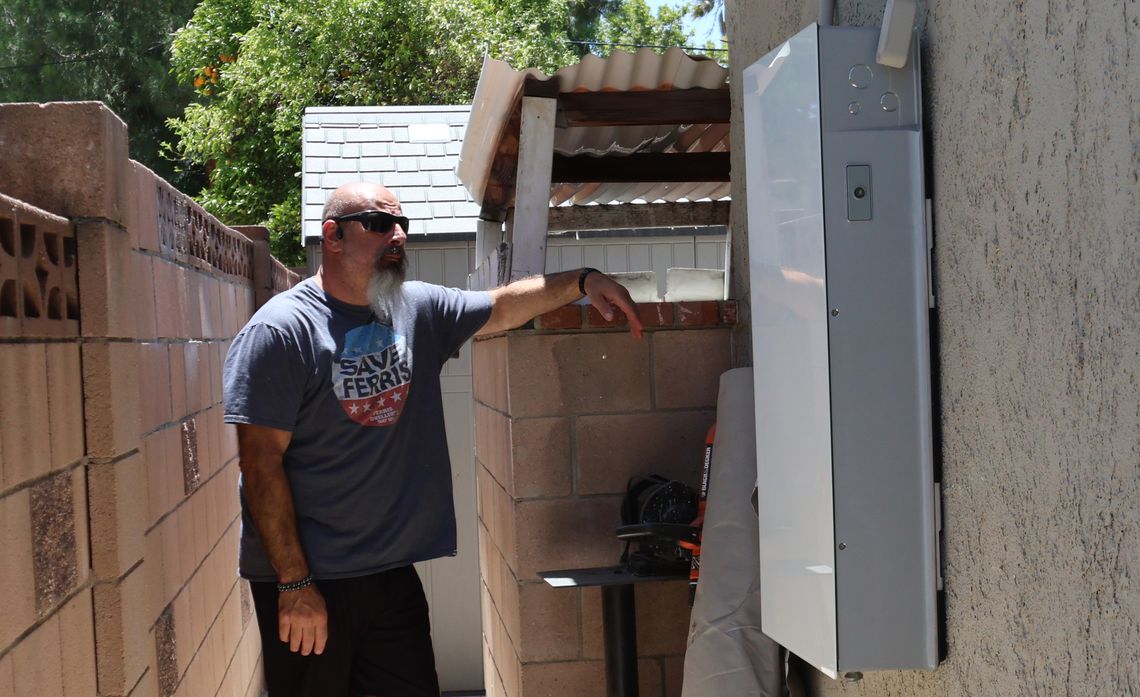
Mounted alongside his home, Fadi Said's battery stores excess solar energy generated during the day for use after sunset or during outages.
When an outage happens — whether from planned maintenance, an equipment issue or PSPS - Opens in new window — a battery’s control system automatically releases stored energy into the home.
“I don’t have to think about it,” said Said. “My food stays fresh, and my house stays powered.”
Before installing solar and a battery, Said relied on portable generators during outages — another option for customers who want backup power for devices or running small appliances.
As of April, SCE customers living in areas impacted by PSPS are eligible for increased incentives through SCE Marketplace - Opens in new window, including higher rebates for portable power stations and generators - Opens in new window, such as:
- Portable power station rebates increased from $150 to $200,
- Portable generator rebates increased from $600 to $800 for customers on Medical Baseline - Opens in new window, California Alternative Rates for Energy (CARE) or Family Electric Rate Assistance (FERA) - Opens in new window and
- Portable generator base rebates remain at $200.
For more information on SCE’s solar programs, visit sce.com/gosolar - Opens in new window.


A huge benefit not discussed in having a battery backup is providing your own energy during the never-ending abundance of repeated planned outages that have become the normal way of doing business for sce . Gone are the days of lineman doing linework energized in all effort to minimize outages. Iron men and copper wires has become covered conductor and turn it off over and over again as skill sets decline as a result.
Jul 27, 2026, 11:05:59 AM