


Chances are, you’ve driven past Southern California Edison’s transmission towers without giving them much thought or even realizing what they are — and you’re probably not alone.
But those massive steel structures play a key role in delivering power.
Mario Kiresich, SCE’s senior manager of Grid Control, Compliance and Training, has spent over a decade overseeing grid operations, which means he’s well versed in the complexities of the system.
“Those transmission lines you’re seeing work together with distribution lines to transport electricity across long distances and to your home in a safe, reliable way,” Kiresich said. “It can seem complicated, but as the son and nephew of SCE system operators who talked grid operations at family gatherings, I’ve gotten really good at breaking it down.”
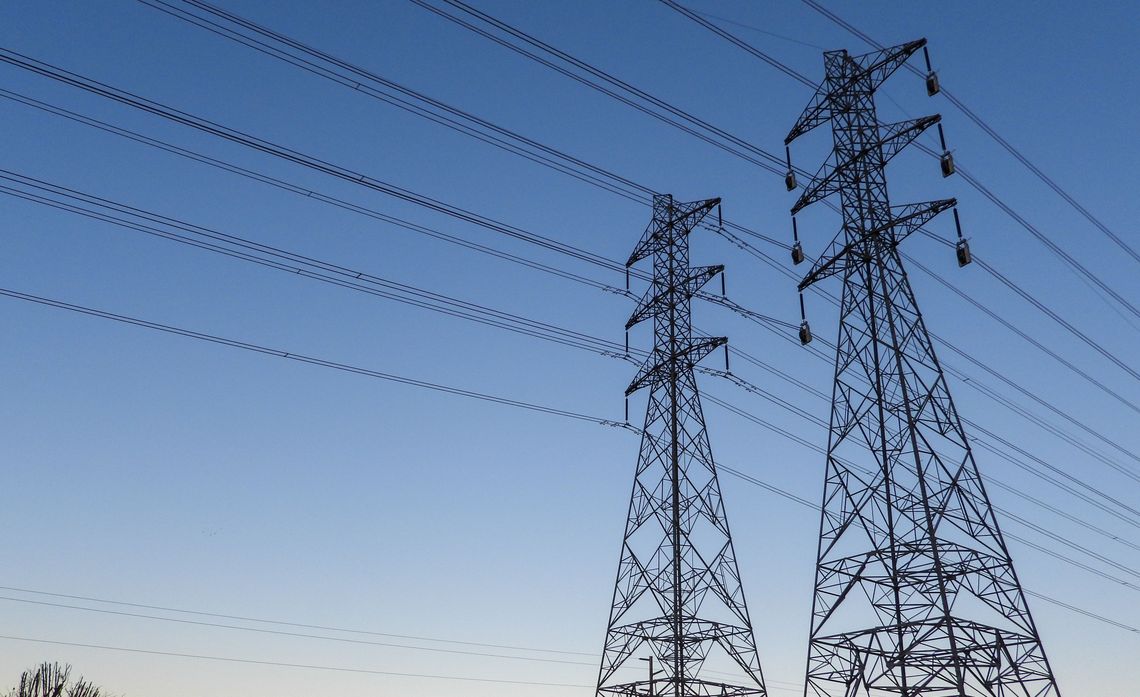
Kiresich answers common questions about transmission vs distribution:
Q: What are transmission lines?
A: The large lattice steel towers supporting thick cables you see when driving on the freeway or in rural areas are called transmission towers. Its wires can carry high levels of voltage — 220,000 to 500,000 volts — from where electricity gets generated by sources like solar and wind farms or hydroelectric plants to major substations. Transmission lines can stretch for hundreds of miles across cities, counties and even states.
Because the voltage carried by transmission lines is too high for everyday use, substations reduce it to levels that are safe for the next step — distribution.
Q: What are distribution lines?
A: These are the lines you see in neighborhoods, running along streets, typically supported by wooden or metal poles, or underground in some communities. As the final leg of the electricity journey, distribution lines pick up where transmission lines drop off — carrying 33,000 volts of energy and below from substations to homes and businesses.
Once the power gets to your home, the distribution line sends the power through a transformer, which lowers the voltage one final time, usually to 120 or 240 volts.
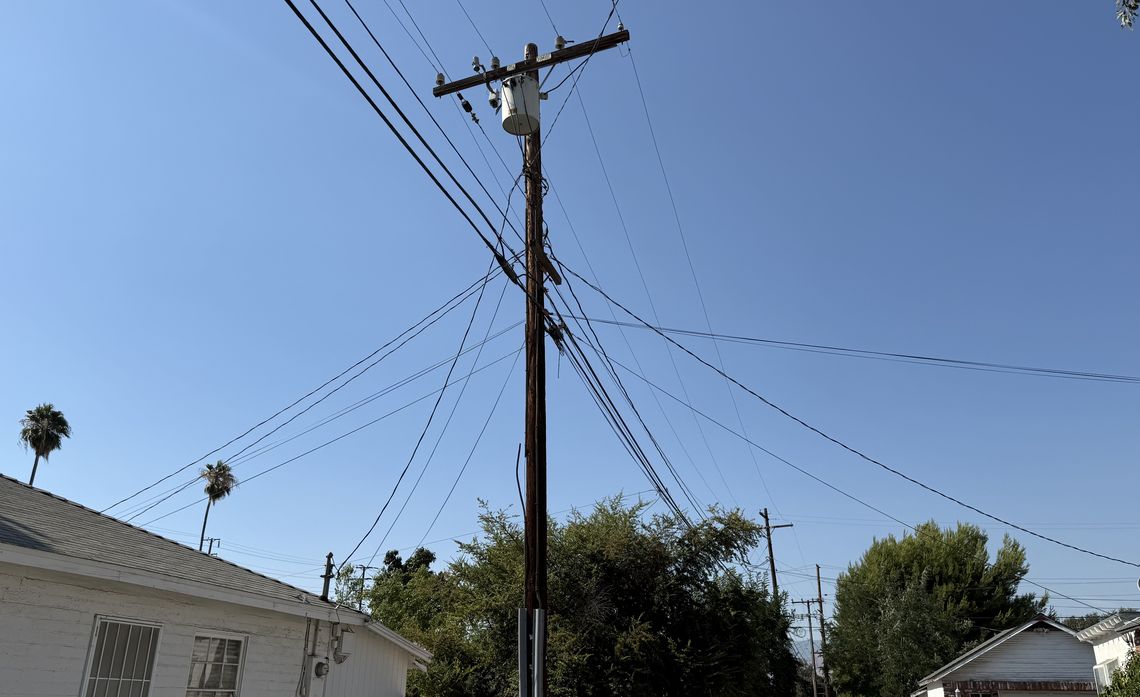
Q: What’s the difference between transmission and distribution?
A: The main difference comes down to voltage and distance. Transmission handles high-voltage electricity and travels long distances, while distribution deals with lower voltages and delivers power locally. Together, they work like a relay team — transmission brings the energy close, and distribution finishes the journey to your power outlet.
Q: Why is it helpful to understand transmission and distribution?
A: It can save a lot of confusion and even frustration to understand these parts of the electric grid. In my 25 years at SCE — from customer service to field work to grid operations — I’ve heard it all. The biggest misconception I’ve encountered is that a utility can flip a switch and instantly turn power on. But as you can see just from the journey of transmission to distribution, the electric grid doesn’t work like that.
Knowing the difference between transmission and distribution gives a glimpse into just how complex the system really is. It helps explain why your lights might be out while your neighbor’s are still on, and why restoring power isn’t always quick or simple.
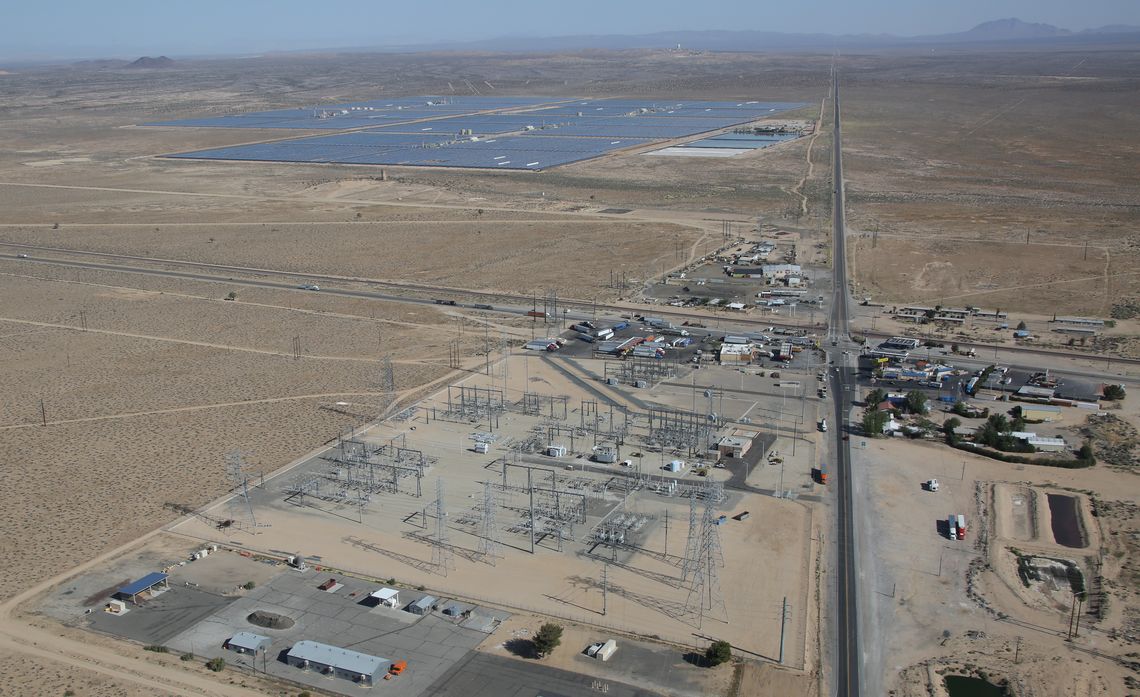
Substations act as the middlemen of the electric grid, lowering and handing off voltage from transmission to distribution lines.
Kiresich’s top three electrical safety tips:
-
Steer clear of anything electrical — poles, transformer boxes, wires, all of it. It’s dangerous to climb poles or tug on structural supports such as guy wires.
-
Walk around, not on top of, utility covers or handholes in sidewalks — they may be covering electrified equipment.
-
Hold on tight to metallic balloons — they can lead to outages, fires or injuries if they hit power lines.
For more electrical safety tips, visit sce.com/staysafe.


